
Mineral economics is at the heart of Botswana’s growth story. The country, known for its rich diamond deposits, has leveraged its mineral resources to build one of Africa’s most stable economies, with the Botswana economy heavily dependent on diamonds.
Botswana’s mineral wealth is not limited to diamonds; Botswana’s mineral resources are diverse and play a crucial role in national development. The nation is recognized as the world’s leading producer of diamonds by value, underscoring the significance of its mining sector. But the real story goes beyond diamonds, it’s about how government policies, mineral revenues, and energy strategies shape national development, infrastructure, and the well-being of its citizens.
In this guide, we’ll break down the concept of mineral economics, trace its evolution in Botswana, explore government frameworks, and analyze the impact on national development and citizens’ lives. Botswana’s economy has been fundamentally shaped by mineral resource management, with mining, especially diamonds, driving growth, export earnings, and government revenues.
We will also compare Botswana’s approach with those of other mineral-rich nations, such as Canada, the United States, and Australia, to draw lessons and highlight best practices.
What is Mineral Economics (and Why Does it Matter)?
Mineral economics is the study of the economic and policy aspects of mineral resources, from exploration and extraction to processing, marketing, and revenue distribution. It matters because minerals are non-renewable and finite.
Compelling mineral economics ensures that resource wealth translates into sustainable national development.
For Botswana, understanding mineral economics is essential to diversifying its economy, financing public services, and supporting the development of other industries alongside mining as part of its broader economic strategy.
The History of Mineral Economics in Botswana
Since its independence in 1966, Botswana has transitioned from one of the world’s poorest nations to an upper-middle-income economy. This transformation was mainly driven by mineral wealth, particularly diamonds.
The government adopted prudent policies partnering with De Beers through Debswana, investing revenues in infrastructure, education, and health, and creating sovereign funds for stabilization.
Historically, Bamangwato concessions played a significant role in shaping Botswana’s mining industry and resource management framework. These concessions, involving agreements over land and mineral rights with the Bamangwato people, set important precedents for government-corporate partnerships in the country’s mining sector.
Botswana’s history in mineral economics is one of fiscal discipline, helping it avoid the “resource curse” experienced by many other mineral-rich nations.
Mineral Resource Endowment
Botswana boasts a remarkable endowment of mineral resources that has shaped the country’s economic landscape.
The diamond industry is the most significant contributor to Botswana’s economy, making the country the world’s leading producer of diamonds by value. Beyond diamonds, Botswana’s mining sector is rich in copper, nickel, coal, soda ash, and gold, each playing a vital role in supporting the nation’s gross domestic product and export earnings.
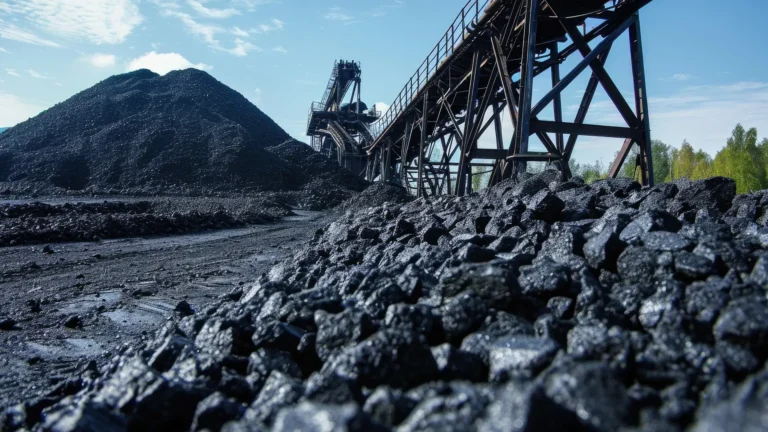
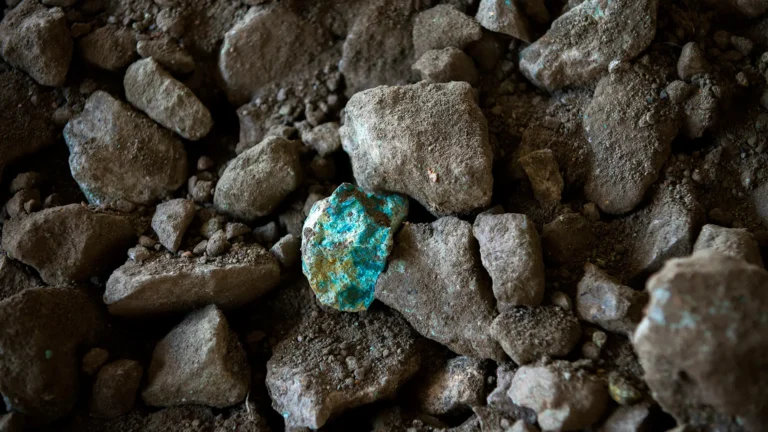
The Kalahari Copper Belt, stretching across Botswana and into Namibia, is a significant source of copper and nickel, attracting global interest for its commercial viability. Coal reserves, primarily in the eastern region, underpin domestic energy production, with the Morupule coalfields serving as a central hub for mining.
Soda ash and gold further diversify the country’s mineral portfolio, contributing to both industrial development and export revenues.
Oversight and strategic management of these resources fall under the Minerals Development Company Botswana (MDCB), which is tasked with promoting sustainable growth in the mining sector.
By leveraging its mineral wealth, Botswana continues to strengthen its position as a leader in the minerals industry, driving value creation and economic growth across the country and the wider region.
Terms to Know
- Capex – Initial investment needed to develop a mine.
- Opex – Operating costs of running a mine.
- Sovereign Wealth Fund – National savings fund for future generations.
- Resource Curse – Economic stagnation despite resource wealth.
- Beneficiation – Adding value to raw minerals before export.
The Pros and Cons of Mineral Economics in Botswana
Pros:
Botswana has experienced strong GDP growth, driven mainly by diamond revenues. Mineral revenues have enabled the government to fund infrastructure projects, expand healthcare and education, and maintain stable partnerships with international mining companies.
The country’s disciplined use of revenues has also supported sustainable energy and diversification policies.
Cons:
However, Botswana remains heavily dependent on diamonds, leaving its economy vulnerable to fluctuations in global commodity prices.
Environmental degradation, including the environmental impact of mining activities such as habitat destruction and water pollution, and energy consumption, is an ongoing concern, and diversification into other mineral and non-mineral sectors has been slower than expected.
Examples of Mineral Economics in Action: Diamond Mining
Diamonds remain Botswana’s largest export, with diamond exports contributing over 70% of total export earnings and playing a crucial role in national revenue.
Coal production, particularly through the Morupule mine and the Morupule power station as a key energy producer, supports national energy needs, though the government is under increasing pressure to diversify toward renewable sources.
Beneficiation policies have created a local diamond cutting and polishing industry, encouraging diamond processing activities such as sorting, cutting, and polishing.
The diamond industry in Botswana involves several diamond companies engaged in exploration, mining, trading, and value chain management.
Debswana, for example, is a partnership between the government and De Beers, with the parent company (such as Anglo American or De Beers) overseeing and managing mining operations and strategic decisions.
The Pula Fund established in 1993 serves as a model for how sovereign wealth funds can preserve mineral wealth for future generations.
Analyzing Mineral Economics in Botswana
Mineral economics in Botswana reveals both strengths and challenges. Botswana’s real per capita GDP has grown by one third since the early 2000s, illustrating significant economic progress.
The efficient distribution of mineral revenues has reduced poverty and improved living standards. Yet, heavy reliance on diamonds exposes the nation to market shocks.
Fiscal discipline remains crucial; for example, foreign debt is not allowed to exceed more than half of the total debt ceiling, which is set at 40% of GDP.
Vision 2036 emphasizes the need for diversification into other minerals such as copper and lithium, along with greater investment in renewable energy and technology-driven beneficiation.
Fiscal Regime and Revenue Management
Botswana’s approach to managing its mineral wealth is anchored in a robust fiscal framework designed to maximize national benefit. The Minerals Act sets out a royalty rate of 10% on diamond production, ensuring that a significant share of diamond revenues flows directly to the government. Mining companies are also subject to a 22% income tax, further contributing to public finances.
A cornerstone of Botswana’s fiscal regime is the government’s 50% ownership in Debswana, a joint venture with De Beers, which ensures that the country retains substantial control and benefit from its diamond mines. The Okavango Diamond Company (ODC) plays a pivotal role in sorting and valuing diamonds on behalf of the government, enhancing transparency and value realization.
To safeguard mineral revenues for future generations, Botswana established the Pula Fund, a sovereign wealth fund managed by the central bank. This fund invests the country’s financial savings in a diversified portfolio of physical assets and human capital development, providing a buffer against economic shocks and supporting long-term economic stability.
Through prudent fiscal management and strategic investment, Botswana has set a benchmark for mineral-rich economies seeking to translate resource wealth into sustainable national prosperity.
Private Sector Participation
The private sector is a driving force in Botswana’s mining industry, with both international and local mining companies playing a central role in the sector’s growth.
The De Beers Group, through its partnership in Debswana, is a major player, while other global mining companies such as Anglo American(Majority Shareholder of DeBeers), Rio Tinto, and Lucara Diamond have established significant operations in the country.
These companies bring investment, expertise, and innovation to Botswana’s mining sector, helping to unlock the full potential of the country’s mineral resources.
Private sector involvement extends beyond mining activities to infrastructure development, including the construction of roads, railways, and power stations that support both the industry and the broader economy. The World Bank Group has been instrumental in supporting government efforts to foster private sector growth, attract investors, and create a competitive environment for mining companies.
The Minerals Development Company Botswana (MDCB) works closely with private sector partners to promote investment opportunities and ensure that the benefits of mineral development are widely shared. This collaborative approach has positioned Botswana as a leading destination for mining investment in Africa, driving innovation and sustainable growth in the industry.
Government Policies: Minerals, Energy, and National Development
Botswana’s mineral and energy policies prioritize sustainable development, citizen empowerment, and economic diversification. The Botswana Mineral Policy (1998 & updates) encourages foreign investment while ensuring national benefit.
The Energy Policy (2021) promotes renewable energy expansion and reduced reliance on coal. Local procurement regulations ensure that Batswana companies and workers benefit directly from mining projects.
Finally, Vision 2036 sets out a long-term roadmap for diversification, innovation, and reduced dependence on diamond revenues. As part of mineral sector diversification, the government is also promoting the mining and trade of semi precious stones alongside other minerals.
These policies have had clear impacts: they have funded national infrastructure, created jobs, improved social services, and positioned Botswana as a model of fiscal discipline in Africa. However, as competition in global mineral markets intensifies, Botswana faces new pressures to adapt quickly.
Comparative Perspectives: Botswana vs. Canada, the United States, and Australia
While Botswana has managed its diamond wealth prudently, comparing it to countries like Canada, the United States, and Australia reveals key differences and lessons.
Canada
Canada is one of the most diversified mineral economies in the world, producing more than 60 different minerals, including nickel, potash, and uranium.
Its strength lies in a well-developed mining finance sector, with the Toronto Stock Exchange being the largest hub for mining investments globally.
Unlike Botswana’s diamond-heavy reliance, Canada’s diversified portfolio reduces vulnerability to single-commodity shocks. Canada also emphasizes Indigenous rights and environmental sustainability in its mineral policies.
United States
The United States has historically been a major producer of coal, copper, and gold. Today, the country is increasingly focused on securing supplies of critical minerals such as lithium, cobalt, and rare earth elements. These resources are essential for defense technologies and renewable energy.
The U.S. government plays an active role in mineral economics through policies like the Inflation Reduction Act, which incentivizes domestic mineral production and reduces reliance on imports. Compared to Botswana, the U.S. has a much broader industrial base to absorb and utilize mineral resources.
Australia
Australia is a global giant in mineral exports, particularly iron ore, coal, and bauxite. Its economy is heavily tied to Asian markets, especially China.
Like Canada, Australia benefits from a broad mineral base and a competitive private sector. Policies focus on sustainability, carbon neutrality, and partnerships with Indigenous communities.
Unlike Botswana’s centralized model of state ownership, Australia allows significant private enterprise in mining while maintaining strong regulatory oversight.
Comparative Insights
Botswana’s central advantage lies in its prudent revenue management and avoidance of the resource curse.
However, it lacks the diversified portfolios of Canada and Australia, or the strategic mineral focus of the United States. Botswana’s model of state ownership and partnerships has worked well for diamonds but may need adaptation for future diversification.
Western economies provide lessons on how to integrate sustainability, expand value chains, and leverage technology to strengthen long-term mineral economics.
Tips and Reminders for Understanding Mineral Economics
Always consider global market dynamics when analyzing mineral economics. Policy shifts in major economies like the U.S., Canada, and Australia influence global pricing and trade flows, and Botswana must remain agile in responding to these changes. Effective exchange rate management is also crucial, as it helps maintain economic stability and mitigate inflation or currency depreciation during resource booms.
Diversification beyond diamonds is key, and the link between mineral revenues and public services must be maintained to ensure long-term national stability.
Supporting Cluster Post to Include: “Mineral Analysis in Mining”
Resources for Mineral Economics in Botswana
- Books: “Introductory Mining Engineering,” “Mineral Processing Technology.”
- Reports: Botswana Ministry of Minerals & Energy annual reports.
- Websites: Botswana Chamber of Mines, Debswana, World Bank, Statistics Botswana, Botswana Geoscience Institute.
- Think Tanks: Botswana Institute for Development Policy Analysis (BIDPA).
Supporting Cluster Post to Include: “Books Every Miner Should Read”
Future Outlook and Emerging Trends
Looking ahead, Botswana’s mining industry is poised for continued growth and transformation. The diamond industry remains a cornerstone of the economy, with Debswana planning to ramp up diamond production to meet rising global demand. At the same time, the development of the Kalahari Copper Belt is opening new frontiers for copper and nickel mining, attracting significant investment and creating new opportunities for economic diversification.
The government is also prioritizing the expansion of the coal sector, with new mines planned in the eastern region to support both domestic energy needs and export potential. Technological advancements, including the adoption of artificial intelligence and machine learning, are set to enhance efficiency and sustainability across the mining value chain.
Botswana’s strategic location in Southern Africa and its membership in the Southern African Customs Union (SACU) provide additional opportunities for trade and regional integration.
The World Bank Group continues to recognize Botswana as one of Africa’s most attractive destinations for mining investment, thanks to its stable regulatory environment and commitment to sustainable development.
As the country embraces innovation and diversification, the mining sector is expected to remain a key driver of Botswana’s economy for years to come.
Closing
Mineral economics has been the backbone of Botswana’s transformation from poverty to prosperity. Through disciplined policies, strategic partnerships, and prudent use of revenues, as well as capturing the full values of its mineral resources through effective governance and value chain management, Botswana stands as a global example of how minerals can be a blessing rather than a curse.
Yet, comparisons with Canada, the United States, and Australia highlight the importance of diversification, sustainability, and integration into global markets. For Botswana, the challenge is to build on its strong foundations and adapt its policies to a rapidly changing global mineral economy.
Call-to-Action
Want to dive deeper into Botswana’s mining opportunities and energy policies? Explore our related guides on beneficiation, mining sustainability, and government strategies to understand where the future of Botswana’s mineral economy is headed.
Frequently Asked Questions (FAQ)
What is mineral economics in Botswana?
Mineral economics in Botswana refers to the study and management of the country’s mineral resources, focusing on how minerals like diamonds, copper, nickel, coal, and soda ash contribute to Botswana’s economy, government revenues, and sustainable development.
Why is diamond mining important to Botswana’s economy?
Diamond mining is the largest contributor to Botswana’s economy, accounting for a significant portion of export earnings, government revenues, and gross domestic product (GDP). It has been central to the country’s transformation from a poor nation to an upper-middle-income economy.
What role does the Minerals Development Company Botswana play?
The Minerals Development Company Botswana (MDCB) oversees the strategic management and promotion of mineral resources in the country, ensuring sustainable growth and maximizing benefits from mining activities.
How does Botswana manage its mineral revenues?
Botswana manages mineral revenues through a robust fiscal framework that includes royalties, taxes, and government ownership in mining ventures like Debswana. The Pula Fund, a sovereign wealth fund managed by the central bank, helps preserve mineral wealth for future generations.
What challenges does Botswana face in mineral economics?
Despite successes, Botswana faces challenges such as heavy reliance on diamonds, vulnerability to global price fluctuations, environmental impacts from mining activities, and the need for economic diversification.
How is Botswana addressing environmental concerns related to mining?
The government has environmental regulations and policies aimed at mitigating mining’s environmental impact, including requirements for environmental impact assessments and strategies for sustainable resource management.
What is the significance of the Kalahari Copper Belt?
The Kalahari Copper Belt is a major mineral deposit area rich in copper and nickel, offering significant commercial viability and investment opportunities that support Botswana’s economic diversification efforts.
How does Botswana involve the private sector in mining?
The private sector, including international and local companies, plays a key role in exploration, mining, and value chain development. Partnerships with companies like the De Beers Group help attract investment and expertise.
What is beneficiation in the context of Botswana’s mineral industry?
Beneficiation refers to adding value to raw minerals through processes like cutting, polishing, and manufacturing within Botswana, helping to increase local economic benefits and job creation.
How does Botswana compare with other mineral-rich countries?
Botswana is noted for its prudent management of mineral wealth and avoidance of the resource curse. However, compared to countries like Canada and Australia, it has less diversification and is working toward expanding its mineral portfolio and sustainable practices.