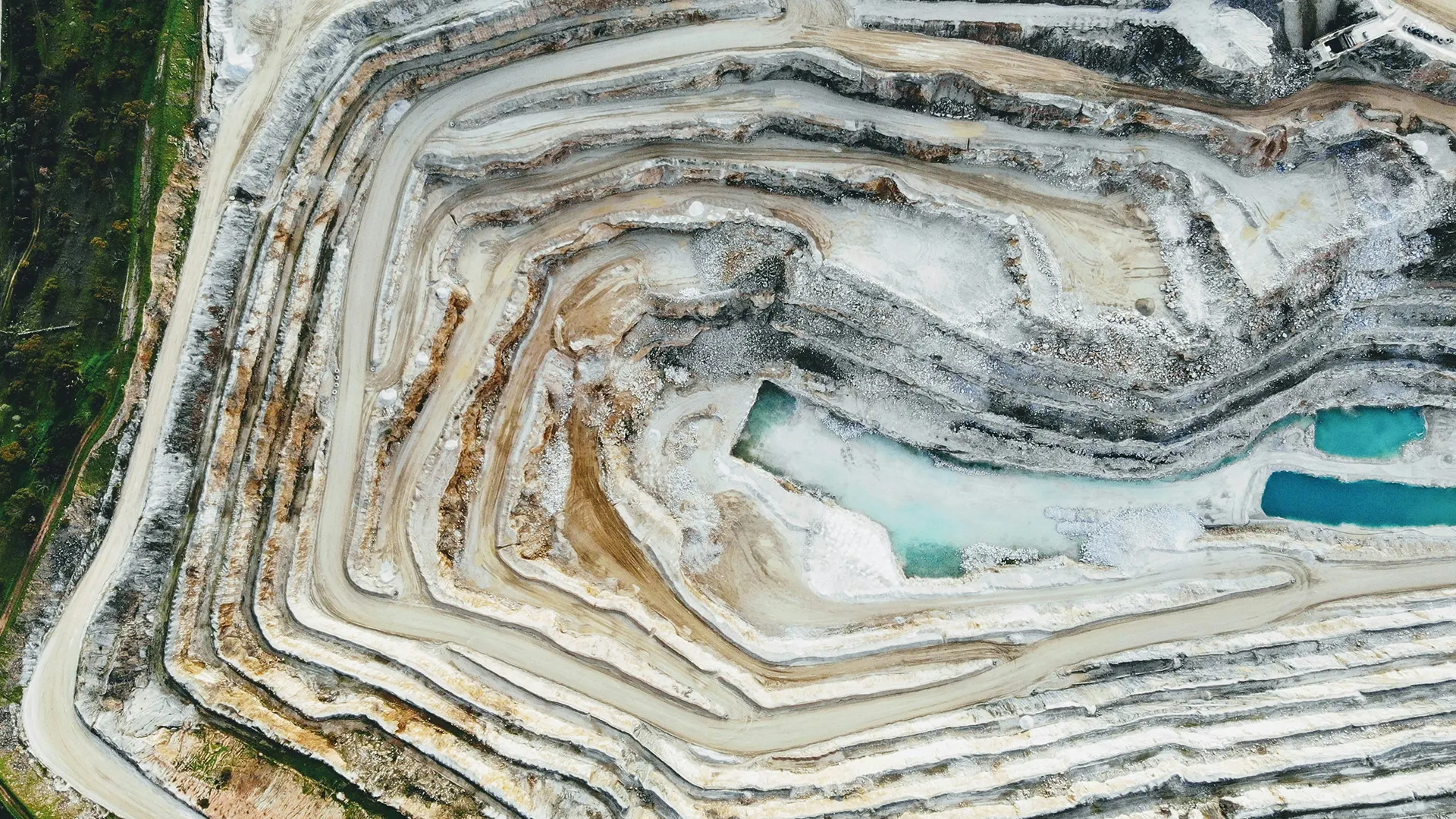

Mining is a crucial industry that supports modern life by providing essential minerals and materials. However, its environmental footprint is substantial. In fact, global mining activities extract over 50 billion tons of materials from the Earth each year, placing immense pressure on natural ecosystems and resources.
This blog explores the environmental impacts of mining, the challenges it poses to ecosystems and human health, and the steps needed to mitigate these impacts for a sustainable future.
The Impact of Mining
Mining is a cornerstone of modern economic development, providing essential raw materials that support industries, infrastructure, and technology worldwide. However, this vital sector also carries significant environmental impacts that cannot be overlooked.
Mining activities contribute to air, water, and soil pollution, all of which pose risks to ecosystems and human health.
The extraction and processing of minerals often result in the release of toxic chemicals, acid mine drainage, and greenhouse gases, which exacerbate environmental degradation. These ecological effects extend beyond the immediate mining sites, impacting local communities, indigenous peoples, and the broader natural environment.
To address these challenges, mining companies must comply with stringent environmental regulations and adopt sustainable mining practices that mitigate negative impacts while supporting economic growth.
Top Environmental Impacts of Mining
Mining operations, whether surface or underground, significantly alter the landscape and natural environment. Surface mining, including open-pit mining and sand mining, involves removing large areas of the earth’s surface to access mineral deposits.
1. Land Degradation and Soil Erosion
This process often leads to soil erosion, land subsidence, and the destruction of wildlife habitats. The removal of vegetation and topsoil disrupts the natural balance, making the land vulnerable to erosion and reducing its ability to support plant and animal life.
2. Pollution from Waste Materials
The excavation and mineral processing operations generate vast amounts of waste materials, including mine tailings that may contain heavy metals and toxic chemicals. If not properly managed, these substances can leach into soil and water, causing soil pollution and contaminated water sources, which threaten local ecosystems and public health.
3. Water Contamination and Acid Mine Drainage
Acid mine drainage — the outflow of acidic water from mining sites continues to pose environmental problems inherent to mining, as it contaminates waterways and harms aquatic life. Toxic chemicals and heavy metals released from mine tailings can pollute groundwater and surface water, affecting the broader food chain.
4. Loss of Biodiversity and Habitat Destruction
Environmental pollution from mining activities can have devastating effects on biodiversity, disrupting food chains and damaging ecosystems. The destruction of wildlife habitats reduces species diversity and alters ecological balance.
These environmental impacts highlight the significant risk mining poses to the surrounding environment and underscore the need for responsible resource extraction and stringent, science-based environmental regulations.
Human Health and Mining
The environmental impacts of mining extend to human health, particularly for mine workers and nearby communities. Exposure to toxic chemicals and fine mineral particles released during mining and mineral processing operations can lead to respiratory diseases, skin irritation, and other health issues.
The inhalation of dust containing harmful substances is a significant occupational health hazard for mine workers, while contaminated water sources pose risks to affected communities. The release of harmful substances, including heavy metals and acid rock drainage, further compounds these health risks.
Mining operations must prioritize the health and safety of workers and local populations by implementing effective pollution controls, monitoring environmental quality, and adhering to environmental regulations. Addressing the impact on human health is crucial for sustainable mining and maintaining community trust.
Social Impacts on Indigenous Communities
Mining projects often occur on or near indigenous lands, leading to profound social and environmental consequences for indigenous communities.
The environmental impacts of mining can result in the loss of traditional lands, contamination of water sources, and destruction of cultural heritage sites. These disruptions threaten the cultural identity and livelihoods of indigenous peoples. Moreover, mining activities can cause displacement of local communities, forcing them to relocate and lose access to vital natural resources.
Respecting the rights of indigenous communities, including obtaining free, prior, and informed consent, is essential. Mining companies must engage in transparent consultations and involve indigenous peoples in decision-making processes to ensure that mining benefits are shared equitably and adverse impacts are minimized.
Combatting illegal mining, which often bypasses environmental regulations and community consent, is also critical to protecting affected communities.
Economic Impacts on Developing Countries
Mining is a major economic driver in many developing countries, providing jobs, infrastructure development, and government revenues.
However, the environmental effects of mining can undermine these economic benefits. Contamination of water sources, destruction of wildlife habitats, and displacement of communities can lead to long-term environmental damage that hampers sustainable development.
Corruption and lack of transparency in the mining sector can exacerbate negative outcomes, with revenues sometimes failing to reach local communities.
Sustainable mining practices and strong governance are necessary to ensure that mining contributes positively to economic development while safeguarding the environment and social welfare.
Mine Site Rehabilitation and Restoration
Rehabilitation and restoration of mine sites are vital to mitigating the environmental damage caused by mining activities. Effective mine closure plans include replanting vegetation, restoring wildlife habitats, and stabilizing soil to prevent erosion. Managing mine tailings safely is critical to prevent the release of toxic waste into the environment.
Modern mining emphasizes sustainability through the use of renewable energy sources and energy-efficient technologies to reduce carbon emissions. Post-mining land reclamation aims to return the land to its original condition or to a state suitable for other productive uses.
While many developed countries have established regulations and practices for mine rehabilitation, ongoing efforts are needed globally to ensure that abandoned mine lands do not continue to cause environmental harm.
By prioritizing environmental stewardship and community engagement, the mining industry can reduce its footprint and contribute to a more sustainable future for both people and the planet.
Frequently Asked Questions (FAQ)
What are the main environmental impacts of mining?
Mining impacts include land degradation, water pollution, air pollution, soil erosion, loss of biodiversity, and the release of greenhouse gases such as carbon dioxide. These effects can harm ecosystems, wildlife habitats, and human health.
How does mining affect human health?
Mining activities expose workers and nearby communities to many occupational health hazards, including inhalation of fine mineral particles and toxic chemicals. These exposures can cause respiratory diseases, skin irritation, and other serious health issues.
What is acid mine drainage and why is it harmful?
Acid mine drainage occurs when acidic water flows from mining sites, often carrying heavy metals and toxic substances. It contaminates waterways, harms aquatic life, and can poison drinking water, impacting the entire food chain.
What is the difference between surface mining and underground mining?
Surface mining involves removing large areas of the earth’s surface to access mineral deposits, often causing significant land disturbance. Underground mining extracts minerals from beneath the earth’s surface, generally causing less surface disruption but posing higher risks to mine workers.
How are indigenous communities affected by mining?
Mining can disrupt indigenous lands, leading to loss of cultural identity, displacement, and environmental degradation. Respecting indigenous rights and obtaining free, prior, and informed consent are essential to minimizing negative social impacts.
What measures are taken to reduce the environmental impacts of mining?
Mining companies follow environmental regulations, implement pollution controls, manage waste materials like mine tailings safely, and invest in mine site rehabilitation and restoration. Sustainable mining practices also include using renewable energy and reducing carbon emissions.
What is mine site rehabilitation?
Mine site rehabilitation involves restoring mined land to its original condition or preparing it for alternative productive uses. This includes replanting vegetation, stabilizing soil, and safely managing toxic waste to prevent ongoing environmental damage.
Why is illegal mining a concern?
Illegal mining often bypasses environmental regulations and community consultations, leading to uncontrolled pollution, environmental destruction, and social harm, especially in developing countries.
How can mining be made more sustainable?
Sustainability in mining requires strong governance, transparency, community engagement, adherence to environmental regulations, adoption of cleaner technologies, and efforts to recycle and reuse mined materials, including rare earth elements.